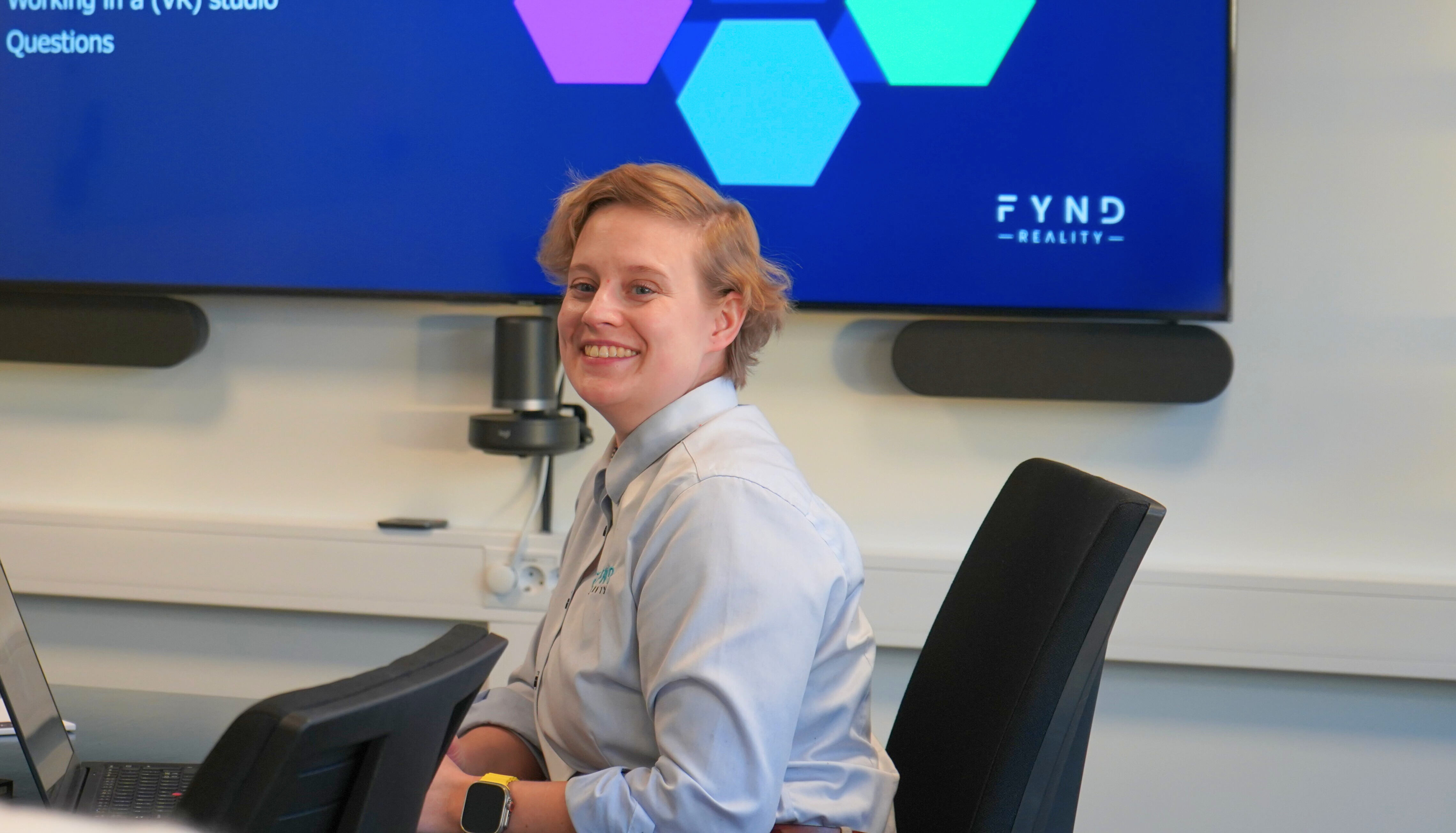
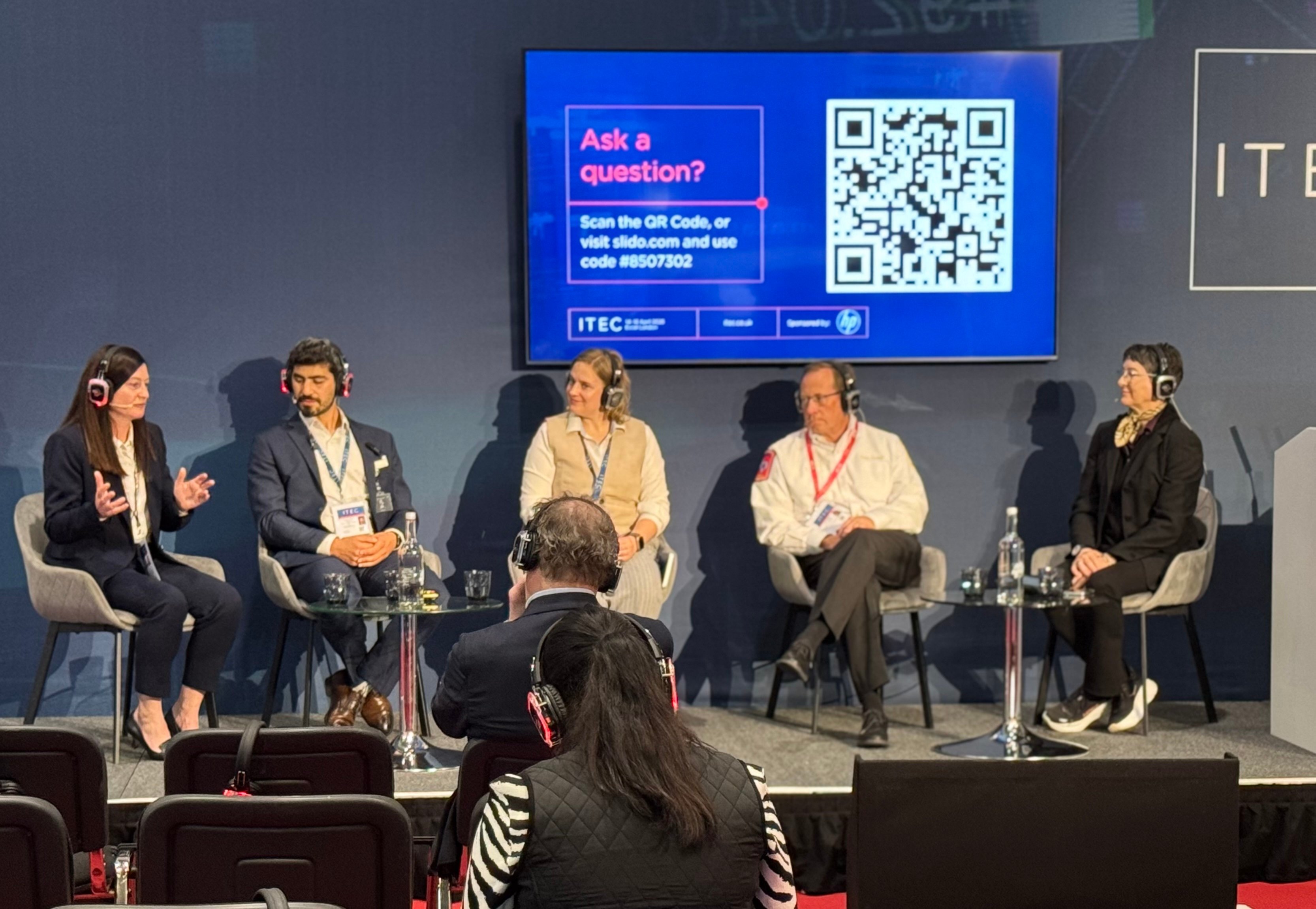
At ITEC 2026, Fynd Reality’s CTO, Kristine Kvam, joined a panel debating how immersive environments can improve performance for first responders and defense organizations.
Alongside leaders from fire and rescue, defense training, and simulation, the discussion focused on a shared challenge:
How do we enable better decisions in complex, high-risk environments when traditional ways of working no longer hold?
Kristine’s contribution builds on her technical paper, “The End of the Conference Table”, which challenges one of the most fundamental assumptions in command and coordination.
From Centralized Command to Distributed Operations
For decades, decision-making has relied on bringing people together, physically, around a table.
But recent conflicts, particularly in Ukraine, have shown that this model is no longer viable. Centralized command posts are increasingly vulnerable, and gathering key personnel in one location can pose significant risks.
As highlighted in the paper, this shift is not just about safety. It is about maintaining tempo, resilience, and decision quality under pressure. The question is no longer where people meet, but how they collaborate.
A New Operational Layer
Traditional digital tools like video conferencing and chat have helped distribute teams, but they come with limitations: They fragment information, they reduce human interaction and they increase the cognitive load of understanding complex situations.
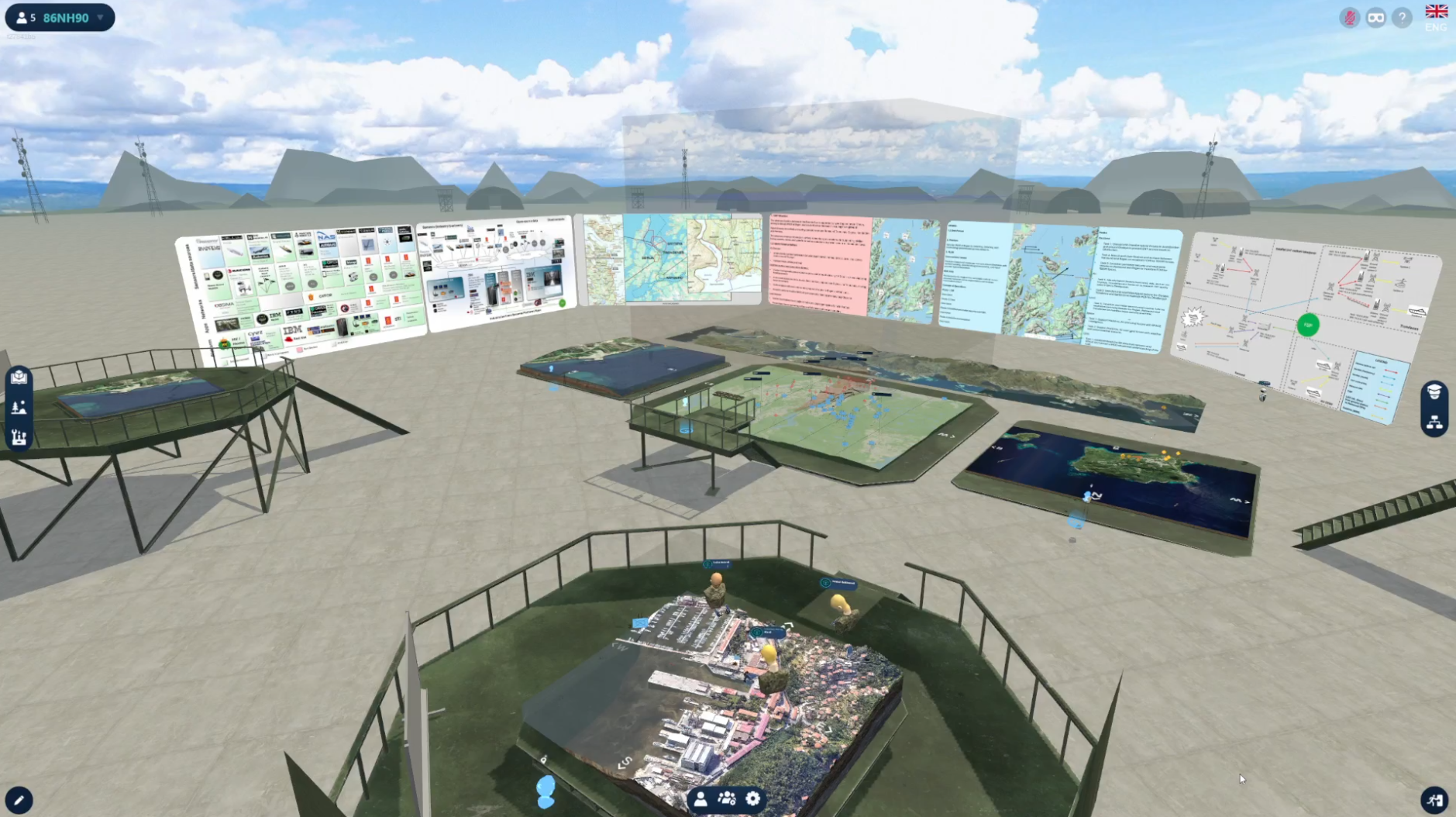
Kristine Kvam argues that immersive environments offer something fundamentally different. Instead of looking at separate screens, teams can step into a shared operational space where:
• Geospatial data, sensor inputs, and intelligence are visualized together.
• Teams interact with the same environment in real time.
• Plans can be explored, tested, and adjusted collaboratively.
This “spatialization of data” allows teams to see, understand, and act more effectively.
From Experiment to Insight
The paper builds on a joint experiment between Fynd Reality and the Norwegian Defence Research Establishment (FFI), where distributed teams tested both traditional tools and VR-based collaboration.
Participants conducted operational processes such as planning sessions and coordination “huddles” using both approaches. The findings were clear:
• Traditional tools worked “well enough,” especially for structured tasks• VR environments improved understanding of plans and spatial relationships
• Participants experienced stronger collaboration and a feeling closer to physical interaction
In several cases, VR was even considered better than working around a physical map, as multiple users could interact simultaneously and explore the situation in 3D.
“The end of the conference table” is not about removing physical meetings. It is about rethinking how teams work together.
From centralized to distributed. From fragmented data to shared understanding. From static views to immersive insight.
Download and read the full paper here: “The End of the Conference Table”
Written by: Kristine Kvam, CTO/Fynd Reality